
You’re Good with People. Could That Be Your Next Job?
(Because “people skills” are actual skills — and they’re gold dust in celebrancy.)
You know how people say: “Oh, you’re just good with people…” — as if it’s some vague, fluffy superpower that doesn’t count as a real qualification?
Well, guess what: it absolutely does.
In fact, being good with people might be the single biggest asset you bring if you’re considering becoming a celebrant.
Because at the heart of celebrancy — weddings, funerals, vow renewals, all of it — is one thing: human connection.
What Does “Good with People” Actually Mean?
It’s not just about being chatty or bubbly (though that helps).
Being good with people can look like:
- Knowing how to help someone feel comfortable, even when they’re nervous
- Listening with genuine interest and care
- Keeping calm when emotions run high
- Handling sensitive conversations with empathy
- Reading a room and adjusting your tone on the fly
- Remembering the small details that make someone feel seen
Kate T and Kate D will tell you:
Some of the best celebrants they’ve trained were the quiet ones. The gentle listeners. The people who could calm a frantic couple or gently steer a grieving family through difficult memories.
Why These Skills Are Celebrant Gold
As a celebrant, your job is to:
- Help people tell their stories
- Write and deliver ceremonies that feel personal and true
- Hold space for big emotions (laughter, tears, sometimes both at once)
- Keep everything running smoothly, even when chaos strikes
This isn’t just a creative job — it’s people work.
And if you’re thinking, “Well, that’s what I already do every day,” — whether in teaching, healthcare, social care, customer service, HR, hospitality, or raising a family — you’re closer to celebrancy than you might realise.
Is It Enough on Its Own?
People skills are the starting point. But celebrancy is also:
- Writing
- Organising
- Performing (without necessarily being “performative”)
- Running a small business
That’s why good celebrant training matters. At Match and Dispatch, we teach you how to:
- Turn conversations into beautiful scripts
- Manage ceremonies with confidence
- Market yourself without feeling the ick
- Handle the business side so you can actually earn a living
Kate T and Kate D have built busy celebrant careers not because they’re the loudest in the room — but because they know how to make people feel safe, seen, and celebrated.
Could This Be Your Next Move?
If you’re:
- The one your friends call for help writing speeches
- The person who can calm chaos in a crisis
- The one who remembers birthdays and tiny details
- Secretly thinking, “I’d love a job that’s meaningful and flexible…”
… celebrancy might be calling your name.

Want to Find Out More?
We’d love to show you how your people skills could turn into a career you love.
👉 Join our mailing list for honest stories from real celebrants
👉 Come to a Monday Meet up to ask us anything about celebrant training, funeral celebrant courses, wedding celebrant courses, or how to become a celebrant in the UK
Being good with people isn’t “just” a nice-to-have. In celebrancy, it’s everything.
Viva,
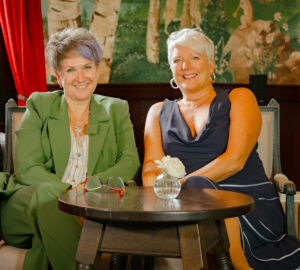
Kate and Kate x


