
Naming Ceremonies – More Than Just A Chubby Bubby!
When most people think about celebrants, they tend to think about weddings and funerals. Somewhere further down the list – usually hiding quietly behind a balloon arch and a tray of cupcakes – sit naming ceremonies.
Partly because people just don’t really get what naming ceremonies are.
Most people still have the baptism model sitting firmly at the front of their minds and think: ‘Well… if it’s not introducing a baby to a higher power… what exactly is it?’
But naming ceremonies are not simply “non religious christenings”. At their best, they’re something much broader, more flexible and, honestly, often more personal than that.
Because naming ceremonies are really about belonging.
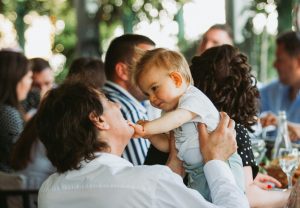
They’re about publicly welcoming somebody into a family, a community, a wider circle of people who are essentially saying: ‘You matter. We’re glad you’re here. We’ll help look after you.’ And when you strip away the cupcakes and tiny shoes, that’s actually pretty profound.
At their core, naming ceremonies are often about exactly the same things as weddings and funerals – identity, connection, love, family and community. Weddings say: ‘We choose each other.’ Funerals say: ‘This person mattered.’ Naming ceremonies say: ‘Welcome. You belong here.’ Different life stages, but ultimately the same very human need for ritual and acknowledgement.
That’s why celebrants who already work in weddings or funerals often find naming ceremonies feel surprisingly natural. You’re still telling stories, creating atmosphere, balancing humour with sincerity, holding emotional space and helping people mark significant moments in their lives. The emotional muscles are largely the same – the tone is just a little different.
And naming ceremonies are not just about babies, either.
They can be about blending families – think Brady Bunch but with slightly more emotional literacy and fewer matching flares. They can acknowledge adopted children and chosen 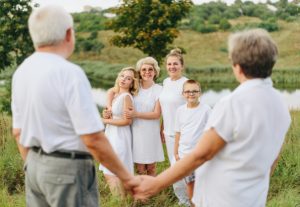 families. They can celebrate children joining families after fostering, adoption or IVF journeys. They can help older children feel recognised and included after major family change.
Sometimes they’re about adults, too. A change of name. A change in circumstances. A public acknowledgement of a new chapter in somebody’s life. In those situations, naming ceremonies can become incredibly moving because they allow people to say: ‘This is who I am now’ in front of the people who matter to them.
In many ways, naming ceremonies are some of the most flexible and creative ceremonies celebrants get to do. There’s often more room for imagination, symbolism and personality than people expect. You might include promises from parents or guide parents, storytelling, music, rituals, cultural traditions, memory elements or blended family moments. Some ceremonies are joyful and chaotic in the way events involving toddlers naturally are. Others are quieter, gentler and deeply emotional.
For celebrants themselves, naming ceremonies can also become a really valuable part of a sustainable business. Not necessarily because they’ll become your bread and butter, but because they cross-fertilise beautifully with weddings and funerals.
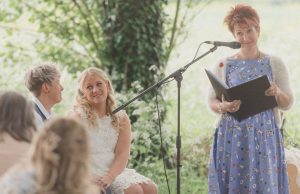 A wedding couple has a baby and comes back to you. A naming ceremony family later books a vow renewal. A funeral family recommends you to somebody else because they trusted how you handled an important moment. Over time, celebrancy becomes less about constantly chasing brand new clients and more about building genuine long-term relationships with families and communities.
Naming ceremonies often become part of that wider ecosystem. They’re a lovely addition to a celebrant portfolio and they can also help smooth out quieter patches in the calendar – particularly for wedding celebrants outside peak season. They allow celebrants to flex different creative muscles and work in a slightly different emotional space.
Most importantly though, they deserve to be treated as real ceremony work – not just the cute little add-on sitting quietly at the edge of celebrancy.
Because although naming ceremonies can absolutely be joyful and playful, they still require all the same core celebrant skills as any other ceremony. Strong scriptwriting. Emotional intelligence. Confidence leading groups. Structure. Pacing. Storytelling. Adaptability. The ability to create ceremonies that genuinely feel personal and meaningful.
Good naming ceremonies look effortless. Which usually means a celebrant has worked very hard to make them feel that way.
And that’s why good naming ceremony training matters.
At Match & Dispatch, we don’t treat naming ceremonies like the fluffy extra module tagged onto the end of “proper” celebrant training. We treat them as meaningful ceremony work in their own right. Because welcoming somebody into a family, a community or a new chapter of life deserves just as much care, creativity and thought as any wedding aisle or funeral tribute.
Much Love
Kate & Kate 🧡


